Liminal has kind of hit a trifecta for us, where we don't have to worry about credit costs, we don't have to pay attention to how many prompts are being entered, and at the same time, we don't have to worry about what data is being entered into those prompts.
My name is Chad Tharan. I am the Data Governance Manager at Northern Arizona Healthcare. We're a center for bariatric excellence, we are a stroke excellence center, and we are a trauma center with a very wide service line.
Generative AI and data governance, we're finding, go hand in hand. The protection part is probably the single most important part. What is making it to the models? Is it actual patient names, dates of birth, gender information, diagnosis? What is the information that's making it there, and what's being retained in that model? We want to make sure that we are doing right by our patients and by the laws and the regulations that surround personal health information and personally identifiable information.
Because of concerns around PHI, we blocked access to AI in our organization. It did not prevent people from using AI. We know we have savvy colleagues who are using it on their personal laptops or at home, so the concern became what could they be emailing to their personal email address, and then we have no control over what's going out. We also didn't want to put our employees in a position or in a thought process that we weren't willing to keep up with technology and adopt technology to improve workflow. But we also had to maintain oversight and an eye on security concerns. So that allowed us to begin exploring the market.
Finding something that had security tied with productivity was exactly what we were looking for. We found that in Liminal. One of the things that was so impactful was seeing how many sensitive data types end up in a prompt without you even paying attention. Using Liminal, we have masked over 86,000 sensitive data elements since deploying the tool in March.
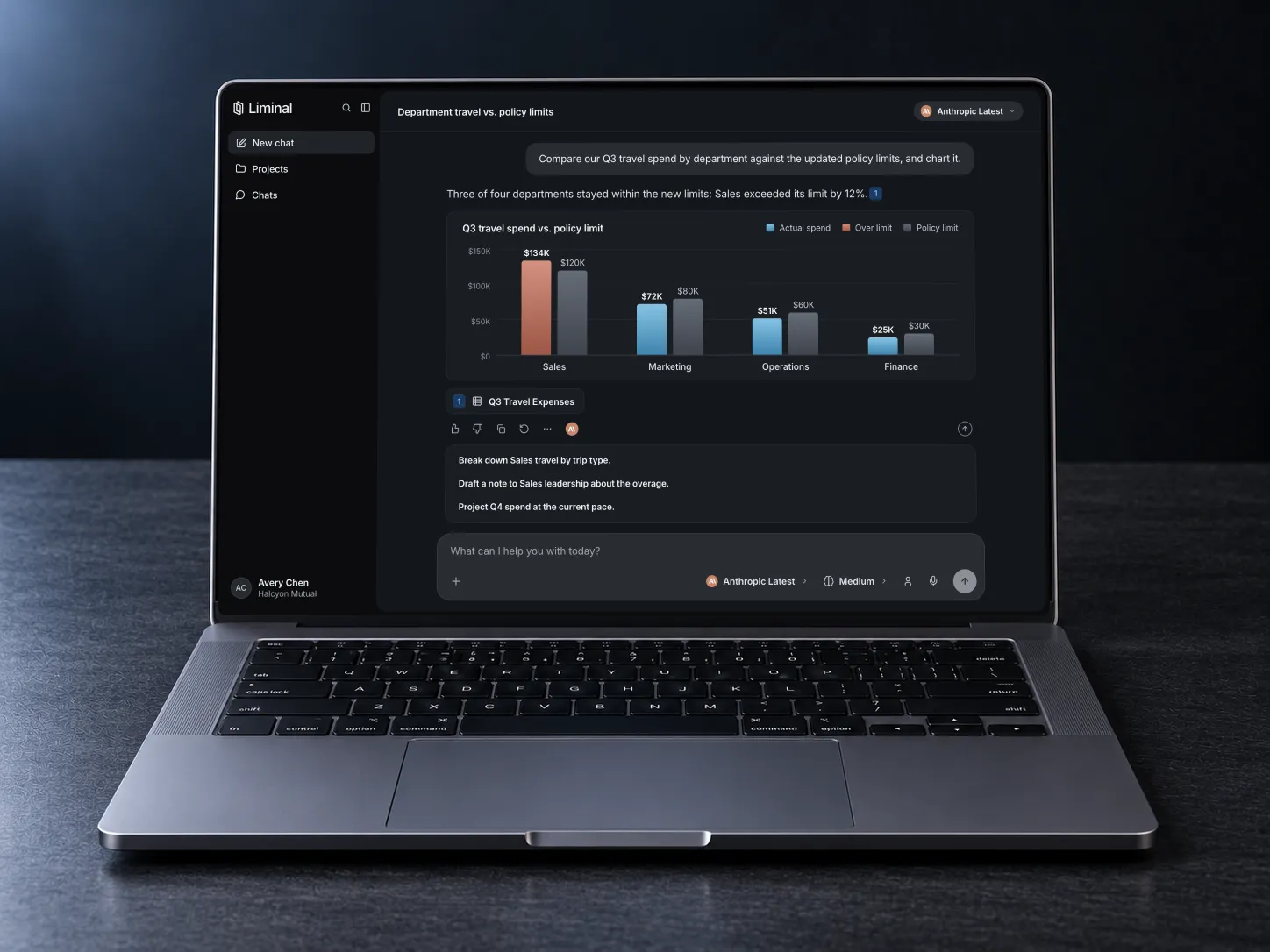
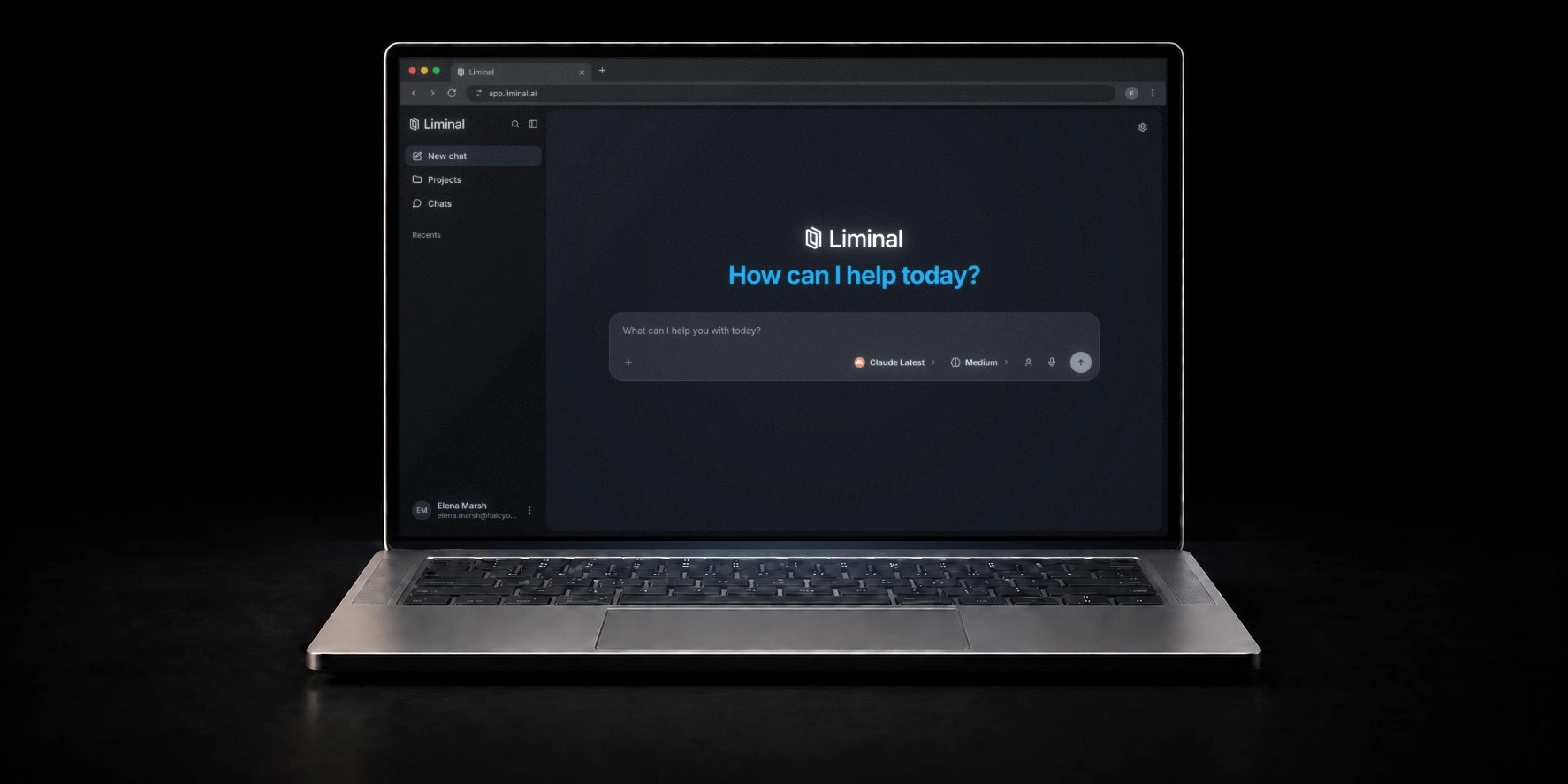
Liminal's ability to allow us to select different models is terrific. We have our marketing team, who likes to use Anthropic, and our data engineering team, who tend to lean more to GPT. Freedom to explore these models and use these models and not have to pay attention to tokens and credits has been amazing. It has allowed our teams to not only embrace Liminal even more, but even do more work.
There was kind of a very specific moment where we knew Liminal was working for us. I had a colleague who sent an email to myself and our CPO that said, "Thanks for bringing Liminal in. You are saving us hours." In comparing contracts, where we would spend three, four hours comparing two contracts, we're now doing that in half the time. I had one employee say, "If we choose not to have Liminal or we choose to go a different route, I will leave the organization and find out who has Liminal."
From onboarding to today, working with the Liminal team has been outstanding. It has been more of a partnership than a vendor-client relationship. They have offered up education, they've helped us become better prompt writers, and it's been an outstanding relationship.
If you're considering Liminal, do it. I think you will be amazed at the product itself, the features of the product, the organization behind the platform, and the collaboration. If you're considering Liminal, it's well worth it.